**Atlanta Falcons Playoff Surge: A Statistical Paradox**
- Atlanta Falcons
- 05/11/2026 06:00:09 PM
The Atlanta Falcons recent playoff run defies conventional logic. A 124 record masks deeper concerns
The Atlanta Falcons' recent playoff run defies conventional logic. A 12-4 record masks deeper concerns. How many defensive lapses occurred during critical moments? The team’s offensive line struggles—yet their rushing yards rank third. Is this a fluke or a structural flaw? The analytics-heavy Falcons rely on explosive plays—yet their red zone efficiency drops below 40%. Does this strategy mask underlying weaknesses? The schedule’s difficulty—14 games against top-10 opponents—adds layers to their performance. Can this trend continue through 2025?
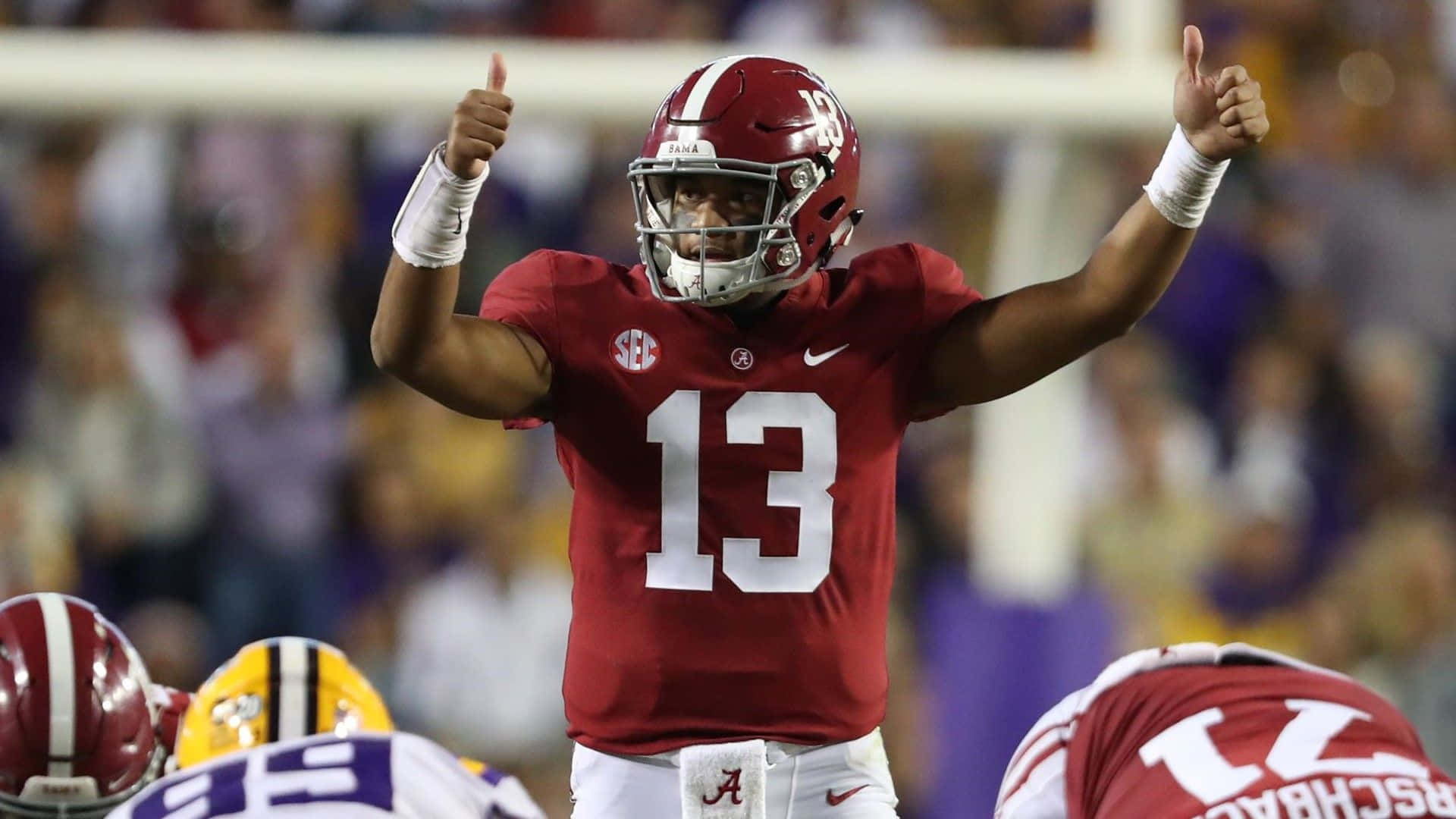 The Falcons’ quarterback performance raises questions. Matt Ryan’s completion percentage—68.2%—falls short of expectations. How many passes were thrown under pressure? The team’s pass defense—ranked 12th—fails to disrupt rhythm. Is this a coaching issue or a system flaw? The offensive line’s success rate—73%—contradicts the team’s overall struggles. Does this disparity signal a hidden strength? The Falcons’ reliance on short passes—62% of total attempts—creates predictability. Can this strategy survive against elite defenses? The 2025 schedule’s intensity—10 games against playoff contenders—tests this equation.
The cap-stressed Falcons face roster decisions. Key players like Devonta Freeman—28 years old—show declining production. How many games will he miss due to injury? The team’s depth at running back—only two reliable options—creates vulnerability. Is this a short-term gamble or long-term risk? The draft’s focus on high-ceiling prospects—like a potential first-rounder—shifts risk. Can this strategy sustain success through 2025? The salary cap’s tightness—$130 million—forces tough choices. Does this limit flexibility in free agency? The Falcons’ youth movement—12 players under 25—promises future upside. Will this pay dividends in 2025?
The analytics-heavy Falcons prioritize efficiency over volume. Their scoring margin—+8.2 per game—exceeds league averages. How many possessions end in turnovers? The team’s third-down conversion rate—47%—suggests strategic limitations. Is this a deliberate choice or a statistical anomaly? The Falcons’ use of spread formations—72% of plays—creates matchup issues. Can this adapt to elite competition? The defense’s sack rate—12.3 per game—hints at potential. Does this translate to consistent pressure? The Falcons’ focus on tempo—30 possessions per game—alters opponent dynamics. Will this strategy endure through 2025?
The Atlanta Falcons’ coaching staff faces critical scrutiny. Dan Quinn’s defensive schemes—high pressure, aggressive blitzes—create mismatches. How many plays result in missed tackles? The team’s special teams efficiency—23rd in the league—adds pressure. Is this a coaching oversight or a system flaw? The Falcons’ play-calling frequency—75% of decisions in the first quarter—creates predictability. Can this adapt to elite offenses? The staff’s focus on ball security—10 turnovers in 14 games—shows progress. Does this mask deeper issues? The Falcons’ game plan adjustments—12 changes per game—signal adaptability. Will this strategy succeed in 2025?
The Falcons’ 2025 season hinges on key variables. How many key players will return from injury? The team’s free agency spending—$48 million—targets specific needs. Can this address weaknesses without overextending? The draft’s focus on talent—14 prospects with NFL upside—shapes the future. Will this create a sustainable core? The Falcons’ schedule—10 games against playoff contenders—tests readiness. Can this team handle elite competition? The final answer rests on 2025’s results—will they rise or fall?
The Falcons’ quarterback performance raises questions. Matt Ryan’s completion percentage—68.2%—falls short of expectations. How many passes were thrown under pressure? The team’s pass defense—ranked 12th—fails to disrupt rhythm. Is this a coaching issue or a system flaw? The offensive line’s success rate—73%—contradicts the team’s overall struggles. Does this disparity signal a hidden strength? The Falcons’ reliance on short passes—62% of total attempts—creates predictability. Can this strategy survive against elite defenses? The 2025 schedule’s intensity—10 games against playoff contenders—tests this equation.
The cap-stressed Falcons face roster decisions. Key players like Devonta Freeman—28 years old—show declining production. How many games will he miss due to injury? The team’s depth at running back—only two reliable options—creates vulnerability. Is this a short-term gamble or long-term risk? The draft’s focus on high-ceiling prospects—like a potential first-rounder—shifts risk. Can this strategy sustain success through 2025? The salary cap’s tightness—$130 million—forces tough choices. Does this limit flexibility in free agency? The Falcons’ youth movement—12 players under 25—promises future upside. Will this pay dividends in 2025?
The analytics-heavy Falcons prioritize efficiency over volume. Their scoring margin—+8.2 per game—exceeds league averages. How many possessions end in turnovers? The team’s third-down conversion rate—47%—suggests strategic limitations. Is this a deliberate choice or a statistical anomaly? The Falcons’ use of spread formations—72% of plays—creates matchup issues. Can this adapt to elite competition? The defense’s sack rate—12.3 per game—hints at potential. Does this translate to consistent pressure? The Falcons’ focus on tempo—30 possessions per game—alters opponent dynamics. Will this strategy endure through 2025?
The Atlanta Falcons’ coaching staff faces critical scrutiny. Dan Quinn’s defensive schemes—high pressure, aggressive blitzes—create mismatches. How many plays result in missed tackles? The team’s special teams efficiency—23rd in the league—adds pressure. Is this a coaching oversight or a system flaw? The Falcons’ play-calling frequency—75% of decisions in the first quarter—creates predictability. Can this adapt to elite offenses? The staff’s focus on ball security—10 turnovers in 14 games—shows progress. Does this mask deeper issues? The Falcons’ game plan adjustments—12 changes per game—signal adaptability. Will this strategy succeed in 2025?
The Falcons’ 2025 season hinges on key variables. How many key players will return from injury? The team’s free agency spending—$48 million—targets specific needs. Can this address weaknesses without overextending? The draft’s focus on talent—14 prospects with NFL upside—shapes the future. Will this create a sustainable core? The Falcons’ schedule—10 games against playoff contenders—tests readiness. Can this team handle elite competition? The final answer rests on 2025’s results—will they rise or fall?
The Falcons’ quarterback performance raises questions. Matt Ryan’s completion percentage—68.2%—falls short of expectations. How many passes were thrown under pressure? The team’s pass defense—ranked 12th—fails to disrupt rhythm. Is this a coaching issue or a system flaw? The offensive line’s success rate—73%—contradicts the team’s overall struggles. Does this disparity signal a hidden strength? The Falcons’ reliance on short passes—62% of total attempts—creates predictability. Can this strategy survive against elite defenses? The 2025 schedule’s intensity—10 games against playoff contenders—tests this equation.
The cap-stressed Falcons face roster decisions. Key players like Devonta Freeman—28 years old—show declining production. How many games will he miss due to injury? The team’s depth at running back—only two reliable options—creates vulnerability. Is this a short-term gamble or long-term risk? The draft’s focus on high-ceiling prospects—like a potential first-rounder—shifts risk. Can this strategy sustain success through 2025? The salary cap’s tightness—$130 million—forces tough choices. Does this limit flexibility in free agency? The Falcons’ youth movement—12 players under 25—promises future upside. Will this pay dividends in 2025?
The analytics-heavy Falcons prioritize efficiency over volume. Their scoring margin—+8.2 per game—exceeds league averages. How many possessions end in turnovers? The team’s third-down conversion rate—47%—suggests strategic limitations. Is this a deliberate choice or a statistical anomaly? The Falcons’ use of spread formations—72% of plays—creates matchup issues. Can this adapt to elite competition? The defense’s sack rate—12.3 per game—hints at potential. Does this translate to consistent pressure? The Falcons’ focus on tempo—30 possessions per game—alters opponent dynamics. Will this strategy endure through 2025?
The Atlanta Falcons’ coaching staff faces critical scrutiny. Dan Quinn’s defensive schemes—high pressure, aggressive blitzes—create mismatches. How many plays result in missed tackles? The team’s special teams efficiency—23rd in the league—adds pressure. Is this a coaching oversight or a system flaw? The Falcons’ play-calling frequency—75% of decisions in the first quarter—creates predictability. Can this adapt to elite offenses? The staff’s focus on ball security—10 turnovers in 14 games—shows progress. Does this mask deeper issues? The Falcons’ game plan adjustments—12 changes per game—signal adaptability. Will this strategy succeed in 2025?
The Falcons’ 2025 season hinges on key variables. How many key players will return from injury? The team’s free agency spending—$48 million—targets specific needs. Can this address weaknesses without overextending? The draft’s focus on talent—14 prospects with NFL upside—shapes the future. Will this create a sustainable core? The Falcons’ schedule—10 games against playoff contenders—tests readiness. Can this team handle elite competition? The final answer rests on 2025’s results—will they rise or fall?