New York Giants Make Historic Move in NFL Draft
- New York Giants
- 05/11/2026 05:42:57 PM
The New York Giants have made a bold statement in the 2023 NFL Draft by selecting a highprofile play
The New York Giants have made a bold statement in the 2023 NFL Draft by selecting a high-profile player in the first round, signaling a major shift in their strategy to rebuild their roster. This decision has sparked widespread speculation about the team's long-term vision and its potential impact on the league. As one of the most storied franchises in the NFL, the Giants’ move reflects a commitment to balancing tradition with modern innovation. The draft, a pivotal moment for any team, has become a focal point for fans and analysts alike, eager to assess how this selection aligns with the Giants’ broader objectives. The choice underscores the team’s willingness to invest in young talent, while also addressing critical weaknesses in their current roster. This strategic pivot is expected to influence not only the Giants’ immediate performance but also their competitive standing in the coming seasons.
The Giants’ decision to prioritize a specific position in the draft was driven by a combination of factors, including the team’s recent performance, the availability of key prospects, and the evolving landscape of the NFL. While the exact details of their strategy remain under scrutiny, the move has already generated considerable debate among sports analysts. Some argue that the Giants are positioning themselves for a long-term rebuild, while others believe this selection is a direct response to the challenges posed by their rivals in the AFC East. The draft process itself is a complex interplay of data, intuition, and risk management, and the Giants’ approach highlights their focus on developing a cohesive unit capable of competing at the highest level. The selection of this player is likely to shape the team’s identity in the years to come, as they seek to redefine their role in the league.
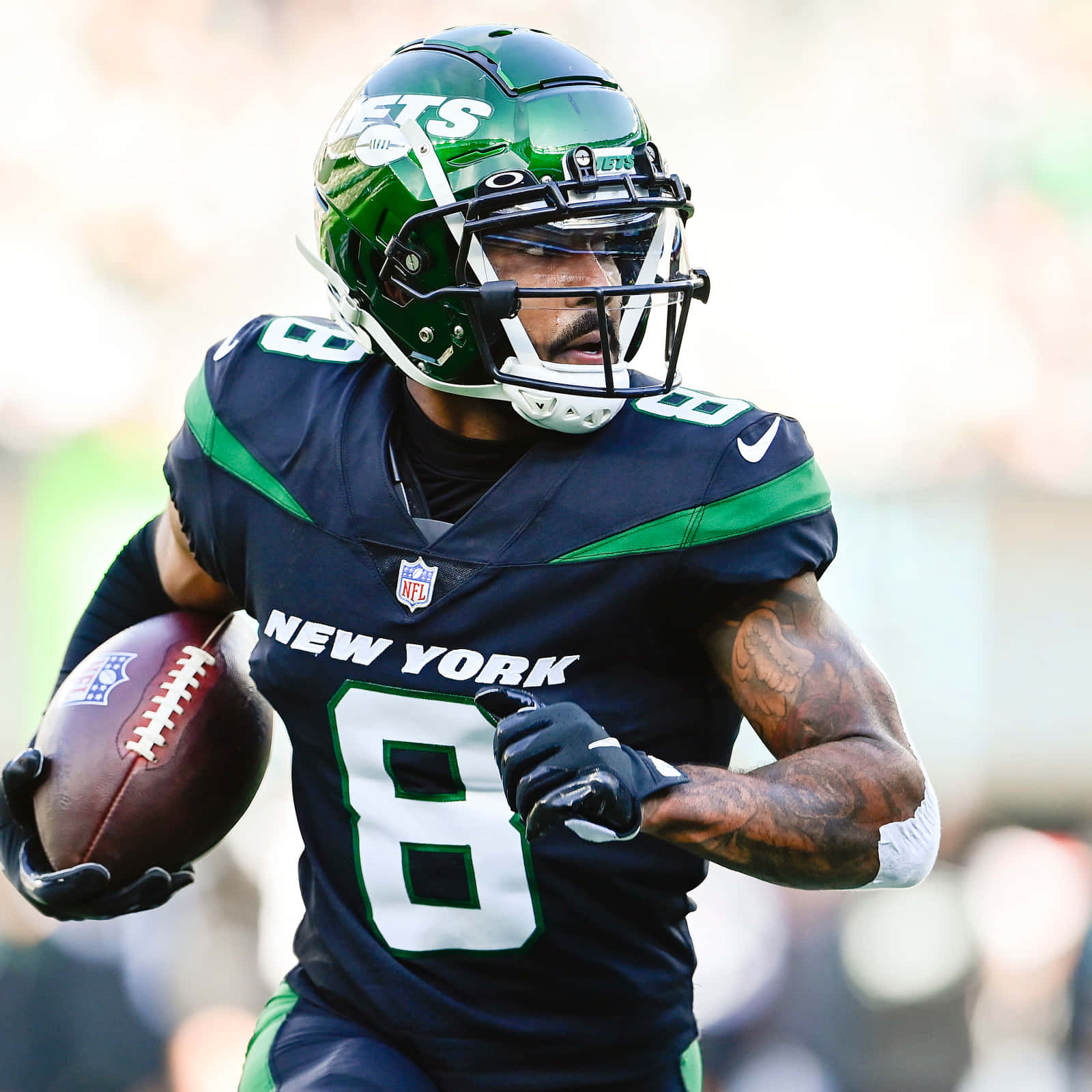 The Giants’ draft strategy has been influenced by both their historical success and the realities of modern football. As one of the oldest franchises in the league, the team has always placed a premium on tradition, but recent years have seen a shift toward a more data-driven approach. This balance between heritage and innovation is evident in their selection, which combines elements of both. The Giants have invested heavily in their youth development program, and this draft move is seen as a natural extension of that philosophy. However, the selection also reflects a pragmatic assessment of the current market, as the team aims to address key areas of need without overextending their resources. The decision to prioritize a specific position underscores the Giants’ commitment to building a versatile and adaptable roster. This approach is critical in an era where the NFL is increasingly defined by speed, agility, and specialized roles. The Giants’ ability to adapt while maintaining their identity will be a key determinant of their future success.
The New York Giants’ draft selection has sparked discussions about how this move will impact their competitive landscape in the coming years. With a focus on long-term growth, the team is positioning itself to compete for playoff spots consistently, rather than relying on short-term fixes. This strategy is particularly relevant in a league where parity is increasing, and teams that can sustain success over multiple seasons are often the ones that thrive. The Giants’ investment in young talent is a clear indication of their intent to cultivate a culture of excellence. However, the success of this approach will depend on the team’s ability to integrate new players seamlessly into their existing structure. The draft is only the beginning of a broader process, and the Giants will need to ensure that their new additions can contribute meaningfully to the team’s objectives. This requires not only strategic planning but also a strong emphasis on development and mentorship.
The Giants’ draft move has also drawn comparisons to other teams that have made similar strategic decisions in recent years. While each team’s approach is unique, the Giants’ emphasis on long-term growth aligns with the strategies of franchises that have successfully navigated the modern NFL landscape. This shift in focus is part of a larger trend in the league, where teams are increasingly prioritizing sustainable success over immediate wins. The Giants’ decision to invest in a specific position reflects a calculated risk, as they aim to address critical weaknesses in their roster. However, this approach also comes with challenges, as the team must balance the need for immediate impact with the long-term development of their players. The success of this strategy will ultimately depend on how well the Giants can integrate their new talent into their existing system. This is a complex process that requires careful planning, strong leadership, and a deep understanding of the game.
The New York Giants’ draft selection represents a significant step in their journey to redefine their place in the NFL. As they look to the future, the team must continue to balance innovation with tradition, ensuring that their decisions align with both short-term goals and long-term aspirations. The success of this move will be measured not only by on-field performance but also by the team’s ability to cultivate a culture of excellence that can endure for years to come. The Giants’ commitment to strategic growth, combined with their rich history, positions them as a formidable force in the league. As they move forward, the focus will be on maintaining this momentum while adapting to the ever-changing dynamics of the NFL. The draft is just one part of a larger narrative, and the Giants’ ability to navigate this transition will determine their place in the history of the league.
The Giants’ draft strategy has been influenced by both their historical success and the realities of modern football. As one of the oldest franchises in the league, the team has always placed a premium on tradition, but recent years have seen a shift toward a more data-driven approach. This balance between heritage and innovation is evident in their selection, which combines elements of both. The Giants have invested heavily in their youth development program, and this draft move is seen as a natural extension of that philosophy. However, the selection also reflects a pragmatic assessment of the current market, as the team aims to address key areas of need without overextending their resources. The decision to prioritize a specific position underscores the Giants’ commitment to building a versatile and adaptable roster. This approach is critical in an era where the NFL is increasingly defined by speed, agility, and specialized roles. The Giants’ ability to adapt while maintaining their identity will be a key determinant of their future success.
The New York Giants’ draft selection has sparked discussions about how this move will impact their competitive landscape in the coming years. With a focus on long-term growth, the team is positioning itself to compete for playoff spots consistently, rather than relying on short-term fixes. This strategy is particularly relevant in a league where parity is increasing, and teams that can sustain success over multiple seasons are often the ones that thrive. The Giants’ investment in young talent is a clear indication of their intent to cultivate a culture of excellence. However, the success of this approach will depend on the team’s ability to integrate new players seamlessly into their existing structure. The draft is only the beginning of a broader process, and the Giants will need to ensure that their new additions can contribute meaningfully to the team’s objectives. This requires not only strategic planning but also a strong emphasis on development and mentorship.
The Giants’ draft move has also drawn comparisons to other teams that have made similar strategic decisions in recent years. While each team’s approach is unique, the Giants’ emphasis on long-term growth aligns with the strategies of franchises that have successfully navigated the modern NFL landscape. This shift in focus is part of a larger trend in the league, where teams are increasingly prioritizing sustainable success over immediate wins. The Giants’ decision to invest in a specific position reflects a calculated risk, as they aim to address critical weaknesses in their roster. However, this approach also comes with challenges, as the team must balance the need for immediate impact with the long-term development of their players. The success of this strategy will ultimately depend on how well the Giants can integrate their new talent into their existing system. This is a complex process that requires careful planning, strong leadership, and a deep understanding of the game.
The New York Giants’ draft selection represents a significant step in their journey to redefine their place in the NFL. As they look to the future, the team must continue to balance innovation with tradition, ensuring that their decisions align with both short-term goals and long-term aspirations. The success of this move will be measured not only by on-field performance but also by the team’s ability to cultivate a culture of excellence that can endure for years to come. The Giants’ commitment to strategic growth, combined with their rich history, positions them as a formidable force in the league. As they move forward, the focus will be on maintaining this momentum while adapting to the ever-changing dynamics of the NFL. The draft is just one part of a larger narrative, and the Giants’ ability to navigate this transition will determine their place in the history of the league.
The Giants’ draft strategy has been influenced by both their historical success and the realities of modern football. As one of the oldest franchises in the league, the team has always placed a premium on tradition, but recent years have seen a shift toward a more data-driven approach. This balance between heritage and innovation is evident in their selection, which combines elements of both. The Giants have invested heavily in their youth development program, and this draft move is seen as a natural extension of that philosophy. However, the selection also reflects a pragmatic assessment of the current market, as the team aims to address key areas of need without overextending their resources. The decision to prioritize a specific position underscores the Giants’ commitment to building a versatile and adaptable roster. This approach is critical in an era where the NFL is increasingly defined by speed, agility, and specialized roles. The Giants’ ability to adapt while maintaining their identity will be a key determinant of their future success.
The New York Giants’ draft selection has sparked discussions about how this move will impact their competitive landscape in the coming years. With a focus on long-term growth, the team is positioning itself to compete for playoff spots consistently, rather than relying on short-term fixes. This strategy is particularly relevant in a league where parity is increasing, and teams that can sustain success over multiple seasons are often the ones that thrive. The Giants’ investment in young talent is a clear indication of their intent to cultivate a culture of excellence. However, the success of this approach will depend on the team’s ability to integrate new players seamlessly into their existing structure. The draft is only the beginning of a broader process, and the Giants will need to ensure that their new additions can contribute meaningfully to the team’s objectives. This requires not only strategic planning but also a strong emphasis on development and mentorship.
The Giants’ draft move has also drawn comparisons to other teams that have made similar strategic decisions in recent years. While each team’s approach is unique, the Giants’ emphasis on long-term growth aligns with the strategies of franchises that have successfully navigated the modern NFL landscape. This shift in focus is part of a larger trend in the league, where teams are increasingly prioritizing sustainable success over immediate wins. The Giants’ decision to invest in a specific position reflects a calculated risk, as they aim to address critical weaknesses in their roster. However, this approach also comes with challenges, as the team must balance the need for immediate impact with the long-term development of their players. The success of this strategy will ultimately depend on how well the Giants can integrate their new talent into their existing system. This is a complex process that requires careful planning, strong leadership, and a deep understanding of the game.
The New York Giants’ draft selection represents a significant step in their journey to redefine their place in the NFL. As they look to the future, the team must continue to balance innovation with tradition, ensuring that their decisions align with both short-term goals and long-term aspirations. The success of this move will be measured not only by on-field performance but also by the team’s ability to cultivate a culture of excellence that can endure for years to come. The Giants’ commitment to strategic growth, combined with their rich history, positions them as a formidable force in the league. As they move forward, the focus will be on maintaining this momentum while adapting to the ever-changing dynamics of the NFL. The draft is just one part of a larger narrative, and the Giants’ ability to navigate this transition will determine their place in the history of the league.